
When comfort stops, start with what changed.
For HVAC repair in Charleston, tell Coastal Carolina Comfort what the system is doing: weak airflow, no heating or cooling, a blank thermostat, unusual noise or water. Our diagnostic visit connects those symptoms to the equipment before a repair is recommended.
First published 2025-09-27 · Content revised September 7, 2026 · About 13 minutes to read
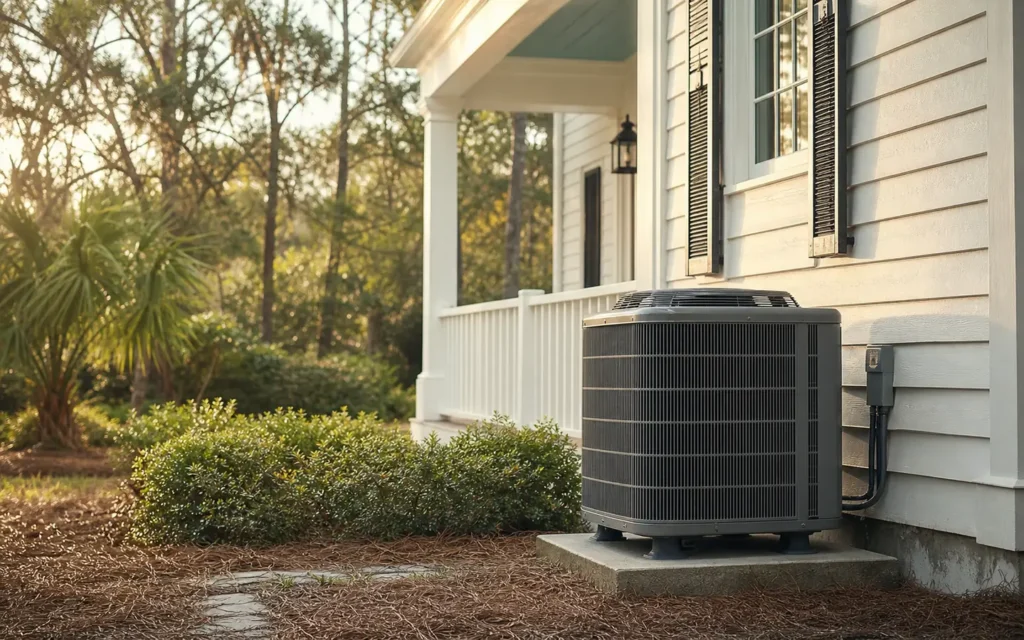
Cooling, heating and controls work together to keep your home comfortable.
Reference: U.S. Department of Energy.
ENERGY STAR’s cited efficiency effect of airflow problems; not your measured loss. ENERGY STAR.
Typical-house duct air loss estimate; not a measurement of your home. ENERGY STAR.
ENERGY STAR recommends preseason professional HVAC checkups. ENERGY STAR.
ENERGY STAR’s filter inspection and care reminder; follow equipment instructions. ENERGY STAR.
You do not need to identify a failed part. Choose the symptom you can observe and follow the guide that fits.
A system that moves air but cannot reach the set temperature needs a different inspection from one that stays completely off. Note the mode and which rooms are affected.
Reference: ENERGY STAR.
The pattern matters. A single uncomfortable room may point toward air distribution; weak flow everywhere can involve a shared filter, blower or other system restriction.
Reference: ENERGY STAR; ENERGY STAR.
A repair diagnosis follows the relationships between the controls, the equipment and the air moving through your home.
Reference: ENERGY STAR.
The thermostat calls for heating, cooling or fan operation.
Reference: ENERGY STAR.
The indoor and outdoor equipment heat or cool the circulating air.
Reference: U.S. Department of Energy.
The blower and ducts move that air into the rooms that need it.
Reference: U.S. Department of Energy.
Compare the supply vents and note whether the problem affects one room or several.
Record the display, mode and any error message before changing settings.
Note the timing of the outage and any unusual smell, sound or visible damage.
Keep clear of wet electrical equipment and arrange an inspection.
Describe the sound and whether it occurs at startup or throughout a cycle.
Coastal Carolina Comfort starts with the basics: the filter, coils, drain line and electrical connections. The technician shows you what they find with photos, explains the proposed work and gets your approval before making a repair.

Coastal Carolina Comfort can start the service conversation with what you notice at home. Describe the thermostat display, the rooms affected, the airflow and when the problem began. You do not need to identify a failed part before calling. This guide prepares you for a diagnostic visit and helps you review the repair explanation afterward.
Write one sentence for the complaint and a second for the timeline. For example: “The upstairs rooms are warm even though air moves from the vents. I first noticed it yesterday afternoon, after a week of normal operation.” This is an example of reporting, not a customer case study. Use your own observations and mark anything you are unsure about.
Include the operating mode. A heat pump can have a complaint in heating or cooling, and the service team needs to know which mode you were using. If you cannot identify the equipment, say that. A model number from existing paperwork is useful, but you should not open a cabinet or enter an unsafe space to find it.
The Coastal Carolina Comfort diagnostic process starts with simple causes: the filter, coils, drain line and electrical connections. The technician shows photographs of findings and gets homeowner approval before repair. Use your symptom report to ask how the findings connect to your complaint and why the proposed work is the next appropriate step.
ENERGY STAR’s HVAC checklist treats thermostat settings, blower airflow, coils, refrigerant charge and control operation as separate inspection items. That supports a description that separates room comfort from equipment behavior. “Air is moving but the room stays warm” gives different information from “no air reaches the vents.” Neither description, on its own, establishes a failed component. Source: ENERGY STAR.
Compare an affected room with a comfortable one and record the thermostat reading at the same time. Tell the technician whether the complaint is new or has existed since installation. A long-standing comfort issue deserves a discussion of the system and air-distribution arrangement. A recent change deserves a clear account of what normal operation looked like before it changed.
Coastal Carolina Comfort’s diagnostic workflow puts inspection before the repair recommendation. Ask the technician to identify the condition found, explain the evidence and connect the proposed correction to the symptom. You should be able to understand that explanation without choosing a part yourself. If a term is unfamiliar, ask what the component does in your system.
Separate a visible finding from a test result. A photograph can help show a physical condition, while a measured electrical or operating fault needs its own explanation. Ask which evidence supports the diagnosis. Keep the answer in your service notes so you can refer to it when reviewing the quote or discussing a later visit.
If several items appear on the recommendation, ask which one addresses the problem you called about. Distinguish an active repair from maintenance and an optional improvement. You can then review each scope on its own terms. A longer list does not remove your ability to ask what is necessary now and what can be considered separately.
Ask whether the diagnosis is complete or whether additional testing is needed. If a condition prevents a full check, ask what that limitation means for the quote and the next step. A clear explanation can include uncertainty. It should not turn an early suspicion into a confirmed failure or promise a result before the required inspection is complete.
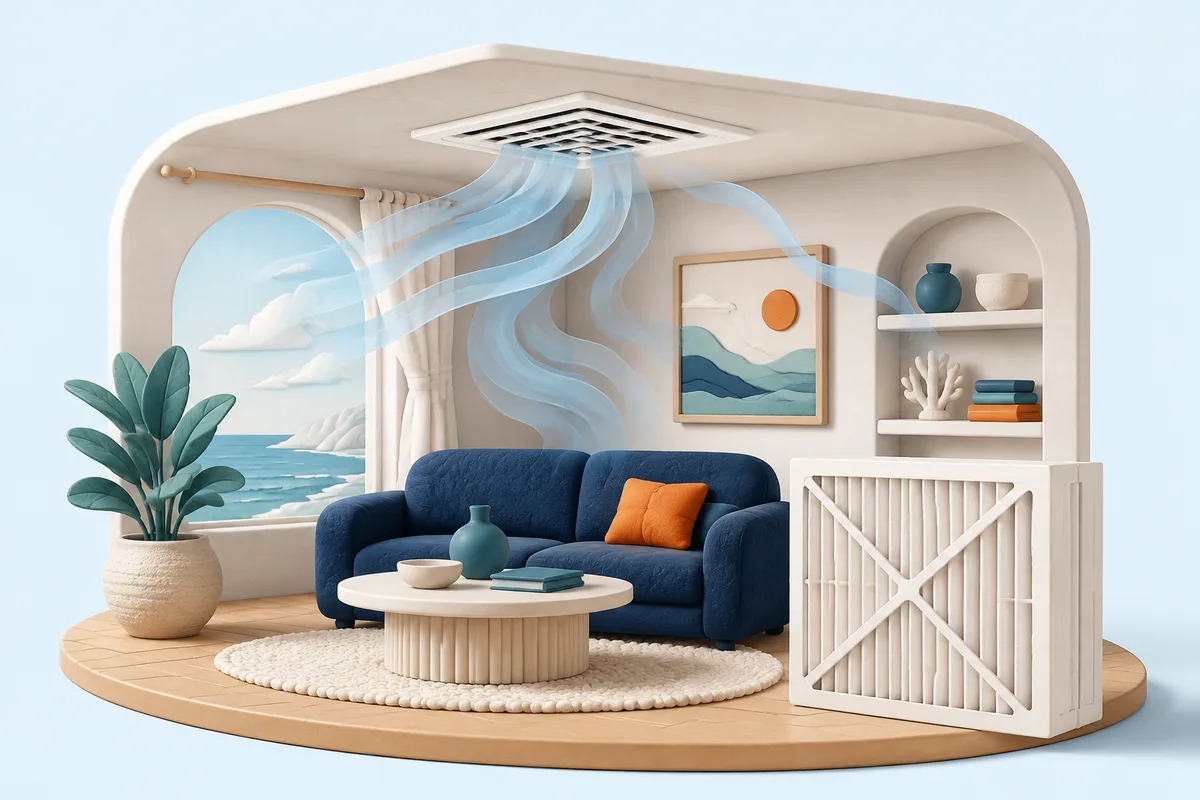
The Department of Energy’s Home Cooling 101 guide shows how the indoor evaporator, blower, refrigerant circuit and outdoor equipment contribute to cooling. A symptom in one part of the home can therefore lead to checks elsewhere in the system. The diagram on this page is a conversation aid, not a replacement for the documentation of your installed equipment. Source: U.S. Department of Energy.
ENERGY STAR includes condensate-drain inspection and the equipment’s start/run/stop sequence in its maintenance checklist. Mention indoor water, a shutdown or weak airflow alongside the main complaint. The technician can investigate whether the observations share a cause. You do not need to force them into one diagnosis before requesting a visit. Source: ENERGY STAR.
For weak or uneven flow, use the AC airflow diagnostic guide. If the vents have little or no flow, the AC not blowing air guide provides a narrower path. Record the rooms and operating mode rather than assuming the blower motor needs replacement.
Use the thermostat troubleshooting guide for a blank display, an alert or a control with no equipment response. The air handler guide covers observations at the indoor cabinet. A control complaint and an indoor-unit complaint can be reported together without deciding which came first.
For water, start with the AC drain-pan overflow guide or AC leaking water inside guide. If the timeline follows a storm, read the HVAC power-surge guide. Keep clear of wet or damaged electrical equipment and let a professional establish the cause.
Ask about the diagnostic charge when arranging the appointment. After the inspection, request the proposed repair, included labor and parts, and any conditions that could change the scope. Have the service team explain the difference between the charge to investigate the problem and the charge to correct it. Do not infer a final repair price from a general website example.
Ask whether any warranty may apply and what documentation is needed to check it. Bring the installation invoice or equipment paperwork if you have it. Coverage depends on the applicable terms; an equipment brand name or an approximate age does not establish the answer. Keep the actual warranty explanation with the quote for future reference.
Coastal Carolina Comfort’s service process requires your approval before repair work. Take time to understand the finding and the recommendation. If another decision-maker needs to review the proposal, explain that before the visit. Clear authorization helps keep the conversation focused on the work you have agreed to rather than an assumption about what you intended to purchase.
Coastal Carolina Comfort’s repair-versus-replacement guidance considers age, repair history and ongoing comfort concerns. Use those categories to organize the decision, then compare the actual repair and replacement proposals. A general framework supports the conversation; it should not turn one symptom or a birthday on the equipment label into an automatic replacement requirement.
List the repairs you can document and identify which concern remains today. Ask what the proposed repair would correct and whether the rest of the system has been assessed. For replacement, ask what equipment and installation work the proposal includes. Comparing two itemized scopes is more useful than comparing a single repair number with an undefined “new system” price.
Include household preferences such as comfort in particular rooms, control simplicity and planned use of the home. Keep those preferences distinct from a diagnosed fault. Read our AC repair-or-replace guide for that discussion. Ask for clarification when a recommendation relies on an assumption that does not match your situation.
Share the symptom and ask about the next available diagnostic visit for your Charleston home.
ENERGY STAR recommends annual preseason professional checkups and monthly filter inspection, cleaning or replacement as appropriate. Follow your equipment’s homeowner instructions for the maintenance task itself. Ask the technician where the filter is, which specification fits and what access is safe. A reminder on a calendar should support the equipment instructions, not replace them. Source: ENERGY STAR.
For a cooling complaint, start with Charleston AC repair service. For a system that will not heat, see Charleston heating repair. If you know you have a heat pump, use heat pump repair and describe the mode in which the problem occurs.
Call Coastal Carolina Comfort with your address, the current symptom and the time it began. Mention unsafe access, indoor water or a broader household electrical concern at the start. Ask about appointment availability and the diagnostic charge. You can request a visit without guessing the repair; the inspection should establish the cause and the proposal should explain the next step.
Keep this note with your equipment information. Record uncertainty rather than guessing at a component or cause.
Billy Webb, owner
Author profile
At Coastal Carolina Comfort, we start with the basic checks before recommending a repair: the filter, coils, drain line and electrical connections. Our service process includes showing you photographs of findings and getting your approval before repair work.
Bring the symptom notes from this guide to the visit. Ask how the findings connect to the problem you reported and what the proposed correction covers.
Review the diagnosis and proposed work before you authorize a repair. Keep the explanation and any photographs supplied with your service records.
For the service conversation, visit Charleston AC repair. Bring your symptom notes so we can discuss the next available diagnostic visit. For heating-mode concerns, see Charleston heating repair.
Yes. Describe what changed and which rooms are affected. The diagnostic visit should establish the cause before a repair is recommended. Discuss your observations with Coastal Carolina Comfort before authorizing a repair.
The failed component, labor, access and applicable warranty coverage affect the work. Ask about the diagnostic charge and availability when you call, then review the proposed repair before approving it. Discuss your observations with Coastal Carolina Comfort before authorizing a repair.
Start with a diagnosis and an estimate. Consider condition, repair history, warranty coverage and comfort alongside age. Our repair-or-replace guide explains the decision for cooling equipment. Discuss your observations with Coastal Carolina Comfort before authorizing a repair.
Give Coastal Carolina Comfort the thermostat display, operating mode, affected rooms and when the problem began. Mention water, unusual sounds or an outage. Leave covers closed and describe only what you can observe from a safe location.
Coastal Carolina Comfort’s service process puts homeowner approval before repair. Ask for the finding, proposed work and price before authorizing the correction. Keep the service explanation and photographs with your equipment records.
By Billy Webb, owner. Coastal Carolina Comfort publishes this guide for homeowners using our Charleston HVAC services. Company-process guidance uses CCC’s documented diagnostic workflow.
This guide explains observable symptoms. It does not replace equipment-specific instructions or an on-site diagnosis.
Read the equipment guidance and source notes below. This article explains observations and service decisions; it does not replace the instructions for your installed equipment.
ENERGY STAR. (n.d.). Maintenance Checklist. Accessed September 7, 2026.
U.S. Department of Energy. (n.d.). Home Cooling 101. Accessed September 7, 2026.
ENERGY STAR. (n.d.). Duct Sealing. Accessed September 7, 2026.
Company-process statements use Coastal Carolina Comfort’s approved diagnostic guidance. This guide includes original homeowner observation tools; examples do not describe actual customer jobs.
Read the symptom checks and service questions for AC airflow problems.

Read the symptom checks and service questions for AC thermostat troubleshooting.
Read the symptom checks and service questions for Air handler problems.
Call Coastal Carolina Comfort to discuss the problem and ask about the next available Charleston repair visit.