 Emergency Heating Repair: What Summerville Homeowners Need to Know When the Heat Goes Out
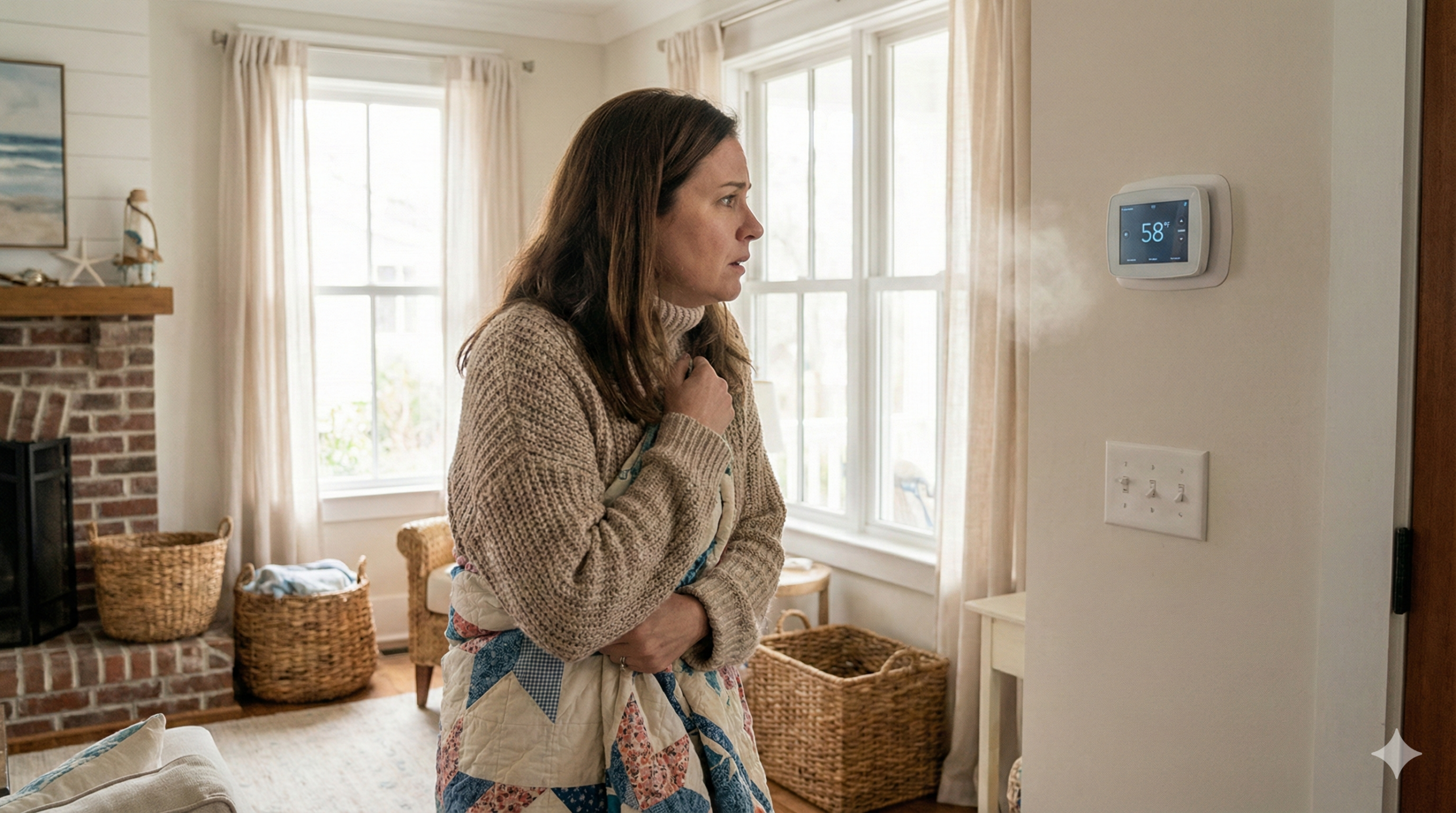
When your heating fails during cold weather, the first priority is safety—check for gas leaks and carbon monoxide, then focus on keeping your family warm while arranging repairs. True heating emergencies include complete heating failure when temperatures drop below 40°F, gas odors or carbon monoxide detector alarms, and situations where vulnerable family members (infants, elderly, or those with health conditions) are at risk. For emergency heating repair in Summerville, expect to pay a premium for after-hours service, but don’t let cost concerns delay action when safety is at stake. Preparation before emergencies occur makes handling them far less stressful.
What Qualifies as a Heating Emergency?
Not every heating problem is an emergency. Understanding the difference helps you respond appropriately—and avoid paying emergency rates for situations that can wait.
True Emergencies: Act Immediately
Gas smell or suspected gas leak
If you smell rotten eggs or sulfur (the odorant added to natural gas):
- Don’t operate any electrical switches, lights, or appliances
- Don’t use your phone inside the house
- Don’t start your car in an attached garage
- Get everyone out of the house immediately
- Call your gas company’s emergency line from outside or a neighbor’s home
- Don’t return until the gas company clears your home
Gas leaks can cause explosions and are life-threatening. This is a 911-level emergency.
Carbon monoxide detector alarm
If your CO detector alarms:
- Get everyone out immediately—including pets
- Call 911 from outside
- Don’t re-enter until emergency responders clear the home
- Seek medical attention if anyone has symptoms (headache, dizziness, nausea, confusion)
Carbon monoxide is odorless and colorless. Trust your detector—it exists to save your life.
Complete heating failure in freezing temperatures
When temperatures drop below 32°F and your heating system fails completely:
- Pipes can freeze within hours, leading to burst pipes and water damage
- Vulnerable family members face hypothermia risk
- The situation worsens the longer it continues
This warrants emergency service, even at premium rates.
Vulnerable household members at risk
Even in moderately cold weather (40s–50s), heating failure becomes urgent when your household includes:
- Infants or young children
- Elderly family members
- Anyone with respiratory conditions, heart disease, or compromised immunity
- Anyone recovering from illness or surgery
- Pets that can’t regulate body temperature well
Urgent But Not Emergency: Schedule Promptly
These situations need attention soon but don’t require middle-of-the-night service:
Heating working intermittently
System runs sometimes but not consistently. Uncomfortable but not dangerous in moderate weather. Schedule service for the next available appointment.
Reduced heating capacity
System runs but can’t maintain set temperature. Layer up and schedule service within a day or two.
Unusual noises or smells (not gas)
Burning dust smell when first turning on heat for the season is normal. Persistent burning odors, grinding, or banging sounds warrant prompt service but aren’t emergencies unless accompanied by other warning signs.
One zone not heating
If part of your home isn’t heating but other areas are fine, you can manage temporarily. Schedule service soon but don’t pay emergency rates.
Can Wait: Schedule Regular Service
Minor temperature inconsistencies
Some rooms slightly warmer or cooler than others. Address during regular maintenance.
System running more than usual
May indicate efficiency issues. Worth investigating but not urgent.
Thermostat quirks
Programmable thermostat acting up, display issues, or minor calibration problems. Schedule convenient service.
Immediate Steps When Your Heat Fails
When you realize your heating system isn’t working, follow this sequence:
Step 1: Check for Safety Issues
Before anything else, verify there’s no immediate danger:
Gas odor? → Evacuate and call gas company (see emergency protocol above)
CO detector alarming? → Evacuate and call 911
Burning smell or visible smoke? → Turn off system, evacuate if smoke is significant, call fire department if needed
Electrical burning smell or sparks? → Turn off system at breaker, don’t attempt to restart
If none of these apply, proceed to troubleshooting.
Step 2: Try Basic Troubleshooting
Many heating failures have simple causes. Check these before calling for service:
Thermostat settings:
- Is it set to “Heat” mode?
- Is the set temperature higher than current room temperature?
- Is the fan set to “Auto” rather than “On”?
- Are batteries fresh (if applicable)?
Air filter:
- When did you last change it?
- A severely clogged filter can cause system shutdown
- Replace if dirty and wait 5 minutes before restarting system
Circuit breakers:
- Check your electrical panel for tripped breakers
- HVAC systems often have multiple breakers (indoor unit, outdoor unit, emergency shutoff)
- Reset any tripped breakers once—if they trip again, don’t keep resetting
Gas supply (gas furnaces):
- Is the gas valve near the furnace in the “on” position?
- Are other gas appliances working (stove, water heater)?
Outdoor unit (heat pumps):
- Is it running?
- Is it covered in ice? (Some frost is normal; heavy ice is not)
- Is airflow blocked by debris, snow, or ice?
If basic troubleshooting doesn’t restore heat, you need professional help.
Step 3: Assess the Urgency
Consider:
- Current temperature: How cold is it outside? How cold is your house?
- Forecast: Is it getting colder or warming up?
- Household members: Anyone vulnerable to cold?
- Time of day: Is it 2 PM or 2 AM?
- Alternative heat sources: Do you have safe backup options?
This assessment helps you decide between emergency service (now, at premium rates) or next-day service (more affordable).
Step 4: Keep Your Family Warm
While waiting for repairs, take steps to maintain warmth:
Safe supplemental heating:
- Electric space heaters (keep 3 feet from flammables, never leave unattended)
- Fireplace or wood stove (if you have one and it’s properly maintained)
- Electric blankets and heating pads
Unsafe heating methods to avoid:
- Gas ovens or stovetops (carbon monoxide risk)
- Outdoor grills or camp stoves indoors (carbon monoxide and fire risk)
- Generators indoors or in attached garages (carbon monoxide risk)
- Unvented gas heaters not designed for indoor use
Heat retention strategies:
- Close doors to unused rooms to concentrate heat
- Hang blankets over windows for extra insulation
- Use draft stoppers under exterior doors
- Gather family in one room to share body heat
- Layer clothing and use blankets liberally
Step 5: Protect Your Pipes
If temperatures are below freezing and heat will be out for an extended period:
Prevent freezing:
- Open cabinet doors under sinks on exterior walls
- Let faucets drip slightly (moving water resists freezing)
- If you have a basement, keep the door open to allow heat to reach pipes
If you’ll be away:
- Set thermostat to at least 55°F (if system is working at reduced capacity)
- Consider draining water system if heat will be out for days
- Have someone check on the house periodically
If pipes freeze:
- Don’t use open flames to thaw pipes
- Use hair dryers, heat lamps, or towels soaked in hot water
- Call a plumber if you can’t locate or access frozen sections
- If a pipe bursts, shut off main water supply immediately
Calling for Emergency Heating Repair
When you’ve determined you need emergency service, here’s how to proceed:
What to Tell the Dispatcher
Provide clear information to help the company assess urgency and prepare:
- System type: Furnace, heat pump, or dual fuel
- Symptoms: What’s happening (or not happening)
- Troubleshooting attempted: What you’ve already checked
- Safety concerns: Any gas odors, CO alarms, or unusual smells
- Household situation: Vulnerable family members, current indoor temperature
- System age: If known
Questions to Ask
Before authorizing emergency service:
- What’s the emergency service fee? (Typically $75–150 on top of regular rates)
- What’s the estimated arrival time?
- Is the technician qualified for my system type?
- What forms of payment do you accept?
- Will I receive a diagnosis before any repairs are authorized?
What to Expect Cost-Wise
Emergency heating repair costs more than scheduled service:
| Component | Typical Cost |
|---|---|
| Emergency/after-hours service fee | $75–150 |
| Diagnostic fee | $75–125 |
| Common repairs | $150–600 |
| Major repairs | $500–1,500+ |
Total emergency visit: Often $300–800 for common repairs, potentially more for major issues.
Is it worth it? When temperatures are dangerous, pipes are at risk, or vulnerable family members are affected—yes. The cost of emergency service is far less than burst pipe damage, medical bills, or hotel stays.
Red Flags During Emergency Calls
Even in emergencies, watch for warning signs of dishonest operators:
- Pressure to replace rather than repair without clear explanation
- Dramatically higher prices than quoted on the phone
- Demands for full payment upfront before any work
- Refusal to provide written estimates
- “Discoveries” of multiple urgent problems requiring immediate expensive repairs
- Technicians who can’t explain what’s wrong in understandable terms
Legitimate emergency technicians diagnose the problem, explain it clearly, provide a written estimate, and let you decide how to proceed. If something feels wrong, get a second opinion—even if it means waiting until morning.
Preventing Heating Emergencies
The best emergency is one that never happens. These practices reduce your risk:
Schedule Annual Maintenance
Professional maintenance before heating season catches problems when they’re small:
- Identifies worn components before they fail
- Verifies safety controls function properly
- Cleans and adjusts for optimal performance
- Gives you peace of mind heading into winter
Timing: Schedule maintenance in early fall (September–October) before the heating season rush.
Change Filters Regularly
A clogged filter is the most common cause of heating failures—and the most preventable:
- Check monthly during heating season
- Replace when visibly dirty
- Keep spare filters on hand
Address Warning Signs Promptly
Don’t ignore early symptoms:
- Strange noises
- Unusual odors
- Inconsistent heating
- Increased energy bills
- System cycling frequently
A $200 repair in October prevents a $500 emergency call in January.
Know Your System
Familiarize yourself with:
- Where your thermostat is and how to operate it
- Where your circuit breakers are located
- Where your gas shutoff is (if applicable)
- Where your air filter is located
- What type of system you have (furnace, heat pump, dual fuel)
This knowledge helps you troubleshoot effectively and communicate clearly with technicians.
Have a Backup Plan
Before you need it, know:
- Which HVAC company you’ll call for emergencies
- Where your space heaters are stored
- How to safely use your fireplace (if you have one)
- Where you’d go if your home became uninhabitable
Install Safety Devices
Essential safety equipment:
- Carbon monoxide detectors: On every level, near sleeping areas, and near fuel-burning appliances
- Smoke detectors: Per local code requirements
- Gas leak detector: Optional but provides early warning
Test detectors monthly and replace batteries annually.
Special Considerations for Lowcountry Winters
Summerville’s climate creates unique emergency heating situations:
Our “Mild” Winters Aren’t Always Mild
Average winter temperatures are moderate, but:
- Cold snaps can drop temperatures into the teens or twenties
- These cold periods often arrive suddenly
- Homes built for our climate may not retain heat well during unusual cold
- Many residents aren’t prepared for extended cold because it’s rare
When cold snaps hit, HVAC companies get overwhelmed with calls. Having a relationship with a trusted company—and maintaining your system—means faster response when you need it.
Heat Pump Considerations
Most Summerville homes use heat pumps, which have specific cold-weather behaviors:
Normal heat pump operation in cold weather:
- Outdoor unit may have frost (defrost cycles handle this)
- Air from vents feels warm but not hot (90–100°F)
- System runs longer cycles than a furnace would
- “Aux Heat” indicator may illuminate during very cold periods
Signs of actual problems:
- Heavy ice buildup on outdoor unit that doesn’t clear
- “Aux Heat” or “Em Heat” running constantly
- No warm air at all from vents
- Outdoor unit not running while indoor fan blows cold air
Understanding normal operation prevents unnecessary emergency calls—and helps you recognize real problems faster.
Humidity and Equipment
Our high humidity affects heating equipment:
- Condensation can cause electrical issues
- Moisture promotes corrosion
- Drainage problems can trigger safety shutdowns
If your system fails during or after rainy weather, moisture-related issues may be the cause.
What Happens During an Emergency Service Call
Knowing what to expect reduces stress during an already stressful situation:
Arrival and Assessment
The technician will:
- Ask about symptoms and what you’ve already tried
- Check thermostat operation
- Inspect the system for obvious issues
- Check error codes (if your system has diagnostic capability)
- Test components systematically to identify the failure
Diagnosis and Estimate
Once the problem is identified:
- Technician explains what’s wrong and why
- You receive a written estimate for repairs
- You decide whether to proceed
Important: You should always receive a diagnosis and estimate before authorizing repairs. “We need to start working and we’ll figure out the cost later” is not acceptable.
Repair or Temporary Solution
Depending on the problem:
If parts are available: Repair may be completed during the visit
If parts must be ordered: Technician may be able to implement a temporary solution to restore heat until parts arrive
If the system is beyond repair: You’ll discuss replacement options and temporary heating solutions
After the Repair
Before the technician leaves:
- Verify the system is operating properly
- Understand what was done and why
- Get documentation of the repair
- Ask about any follow-up needed
- Discuss how to prevent recurrence
When Emergency Repair Isn’t Possible
Sometimes systems can’t be repaired immediately:
Parts Availability Issues
Older systems or unusual brands may require parts that aren’t stocked locally:
- Parts may need to be ordered (1–3 days typically)
- Temporary solutions may bridge the gap
- In some cases, replacement becomes the practical choice
System Beyond Repair
If a major component has failed on an aging system:
- Repair cost may approach or exceed replacement cost
- Parts for very old systems may be unavailable
- Replacement may be the only practical option
What to Do While Waiting
If you’re facing an extended period without heat:
Stay in your home if safe:
- Use supplemental heating safely
- Concentrate activity in one or two rooms
- Protect pipes from freezing
- Layer clothing and use blankets
Consider temporary relocation if:
- Temperatures are dangerous (below 50°F indoors)
- Vulnerable family members are at risk
- Supplemental heating is inadequate
- The wait will be more than 24–48 hours
Options for temporary relocation:
- Friends or family
- Hotels (some offer emergency rates for heating failures)
- Community warming centers (during severe cold events)
Coastal Carolina Comfort’s Emergency Response
When your heat fails, we’re here to help. Our approach to emergency heating repair in Summerville:
Responsive service:
- We understand heating emergencies can’t wait
- We prioritize calls involving safety concerns or vulnerable family members
- We communicate clearly about timing and expectations
Honest diagnosis:
- We identify the actual problem—not invented issues
- We explain what’s wrong in terms you understand
- We provide written estimates before beginning repairs
Fair pricing:
- Emergency rates are clearly disclosed upfront
- No surprise charges after the fact
- We’ll tell you if waiting for regular service makes more sense
Practical solutions:
- If immediate repair isn’t possible, we discuss alternatives
- We can often implement temporary solutions while awaiting parts
- We give honest assessments of repair vs. replacement
We’ve served Summerville families since 2005. When your heat goes out at 2 AM in January, you want a company you can trust. Save our number before you need it.
Frequently Asked Questions
How much more does emergency heating repair cost? Emergency and after-hours service typically adds $75–150 to the base service call fee. Total costs depend on the repair needed, but expect to pay 25–50% more than you would for the same repair during regular business hours. For true emergencies, this premium is worthwhile—for situations that can wait, scheduling regular service saves money.
Should I try to fix my heating system myself in an emergency? Limit DIY efforts to safe troubleshooting: checking thermostat settings, replacing the air filter, and resetting tripped breakers. Don’t attempt to repair gas connections, electrical components, or refrigerant systems. Improper repairs can create safety hazards, void warranties, and cause additional damage.
How long can my house go without heat before pipes freeze? It depends on outdoor temperature, home insulation, and pipe location. In a well-insulated home with temperatures in the 20s, pipes may be safe for 6–12 hours. In poorly insulated homes or with temperatures in the teens or below, freezing can occur within a few hours. Take preventive measures (dripping faucets, opening cabinet doors) whenever heat will be out during freezing weather.
What if I can’t afford emergency repair costs? Discuss options with the HVAC company—many offer financing or payment plans. If the repair can safely wait until regular business hours, scheduling non-emergency service reduces costs. For true emergencies involving safety, prioritize getting heat restored and address payment arrangements afterward. Some utility companies and community organizations offer emergency assistance programs.
Is it safe to use my gas oven for heat? No. Gas ovens produce carbon monoxide and are not designed for space heating. Using an oven for heat creates serious carbon monoxide poisoning risk and fire hazard. Use only heating devices designed for indoor residential use—electric space heaters, fireplaces, or wood stoves that are properly installed and maintained.