
 5 Warning Signs Your AC Is About to Break Down (And What Summerville Homeowners Can Do)
An air conditioner rarely fails without warning. The five signs your AC is about to break down are strange noises like grinding or squealing, weak or warm airflow, unusual odors from your vents, frequent on-off cycling, and unexplained spikes in your energy bills. Summerville homeowners who catch these warning signs early can often avoid emergency repairs and costly replacements. If you notice any of these symptoms, scheduling a professional inspection promptly can save you hundreds—or even thousands—of dollars.
Your AC Is Talking. Are You Listening?
Here in Summerville, we ask a lot of our air conditioners. Between the sweltering summers and humidity thick enough to swim through, your HVAC system works overtime from April through October—and sometimes beyond.
The good news? Your AC usually gives you a heads-up before it throws in the towel. The bad news? Most folks don’t recognize the warning signs until they’re fanning themselves with a magazine and calling for emergency service.
At Coastal Carolina Comfort, we’ve seen it all. After more than a decade serving Summerville and the surrounding Lowcountry, we’ve learned that the homeowners who know what to look (and listen) for are the ones who avoid the worst breakdowns.
Let’s walk through the five warning signs that your air conditioner is struggling—and what you can do about each one.
1. Strange Noises Coming From Your Unit
A healthy air conditioner hums along quietly. When it starts making noises that sound like a complaint, it’s time to pay attention.
What You Might Hear
Grinding or metal-on-metal sounds usually point to a problem with the blower motor or fan bearings. These components wear down over time, especially in systems that run as hard as ours do in the Summerville heat.
Squealing or screeching often indicates a worn belt or motor bearing issue. While belts are less common in newer systems, plenty of Summerville homes—especially in historic downtown and older neighborhoods—still have units with belt-driven components.
Clicking sounds at startup or shutdown are normal. Constant clicking during operation is not. This typically signals an electrical issue or a failing thermostat relay.
Banging or clanking suggests something has come loose inside the unit. This could be a disconnected fan blade, a loose component, or debris that found its way into the system.
Bubbling or hissing points to a refrigerant leak. This is one you don’t want to ignore—refrigerant issues affect both your comfort and your system’s longevity.
What Summerville Homeowners Should Do
Don’t crank up the TV to drown out the noise. If your AC is making sounds it didn’t make last month, turn off the system and call for an inspection. Running a struggling unit often turns a minor repair into a major one.
A quick diagnostic visit can identify whether you’re looking at a simple fix—like tightening a loose component—or something that needs more attention. Either way, you’ll sleep better knowing what you’re dealing with.
Related: If you’re in the Knightsville or Oakbrook areas, our technicians know the common issues in your neighborhoods’ housing stock. Learn more about HVAC repair services in your area.
2. Weak Airflow or Warm Air From Your Vents
You set the thermostat to 72, but your house feels like 80. Or maybe the air coming from your vents feels more like a whisper than a breeze. Both scenarios signal trouble.
Common Causes of Weak Airflow
Clogged air filters are the most common culprit—and the easiest to fix. In Summerville’s dusty, pollen-heavy environment, filters clog faster than the manufacturer’s recommendations suggest. We recommend checking yours monthly during peak cooling season.
Blocked or leaky ductwork prevents conditioned air from reaching your rooms. Older Summerville homes, particularly those built before the 1990s, often have ductwork that’s deteriorated, disconnected, or was never properly sealed in the first place.
Failing blower motor can’t push air through your system effectively. You might notice the airflow weakening gradually over weeks or months.
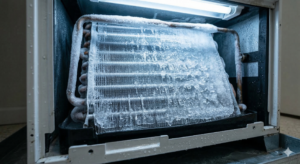
Frozen evaporator coil restricts airflow significantly. This often results from low refrigerant, poor airflow (see: clogged filters), or dirty coils.
Why Is My AC Blowing Warm Air?
If the air isn’t just weak but actually warm, you’re likely dealing with:
- Low refrigerant levels from a leak somewhere in the system
- Compressor failure, which is the heart of your AC
- Thermostat issues causing miscommunication between what you set and what the system does
- Electrical problems preventing the outdoor unit from running properly
What Summerville Homeowners Should Do
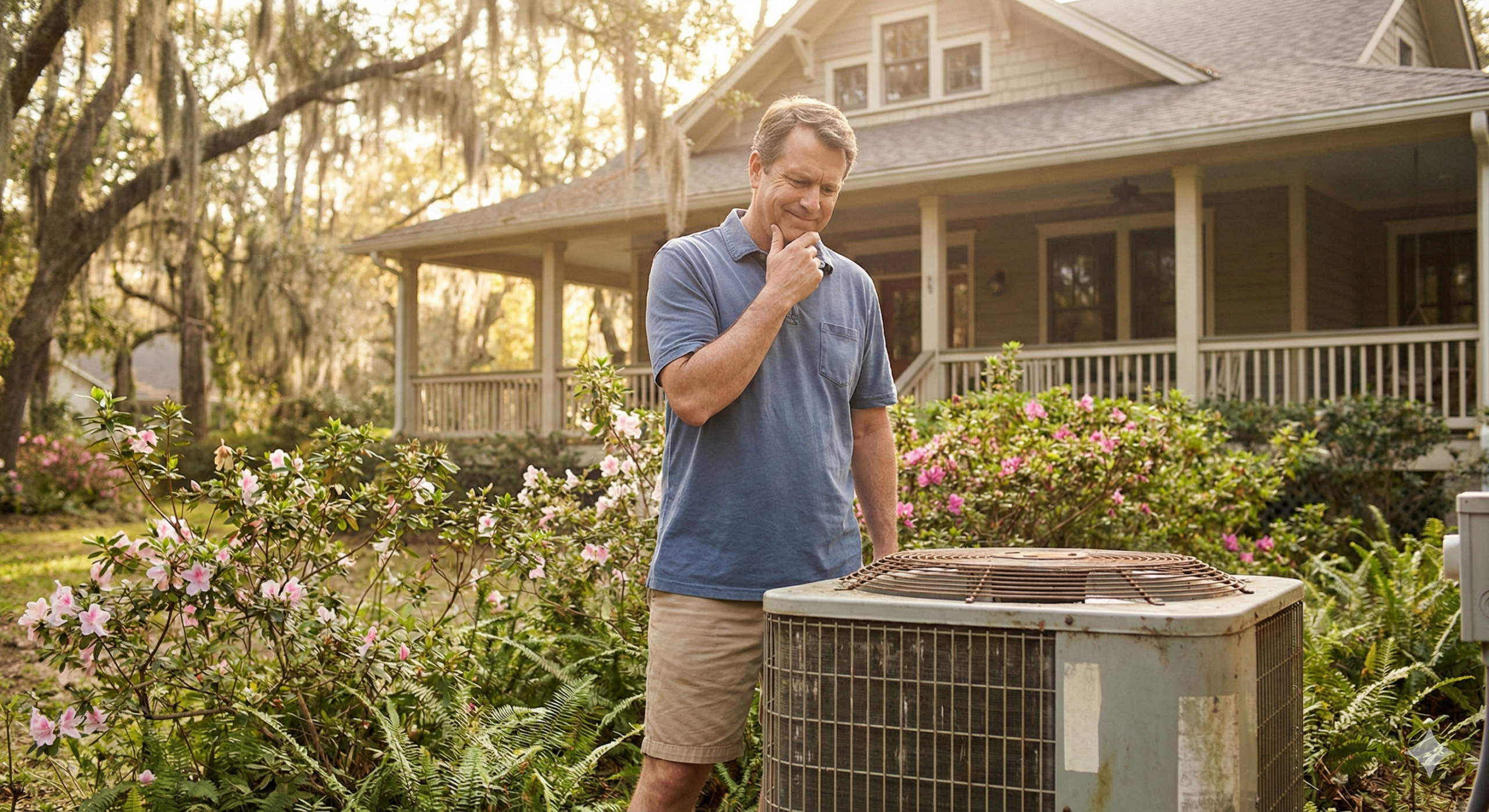
Start with the filter. If it’s dirty, replace it and give your system 30 minutes to recover. Still having issues? Check your outdoor unit—make sure it’s running and clear of debris, leaves, or overgrown landscaping.
If the problem persists, you need professional eyes on it. Weak airflow and warm air often indicate issues that worsen quickly in our Lowcountry heat.
3. Unusual Odors From Your Vents
Your air conditioner should produce one thing: cool, clean air. If you’re smelling something funky, your system is telling you something’s wrong.
Decoding the Smells
Musty or stale odors typically indicate moisture buildup somewhere in your system or ductwork. Summerville’s humidity creates ideal conditions for biological growth in HVAC systems. This is particularly common in systems that don’t run consistently or in homes with poor drainage around the indoor unit.
Note: If you suspect biological growth in your system, we recommend consulting with a specialist who can properly assess and address the situation. Our team can inspect your HVAC equipment and refer you to qualified professionals if needed.
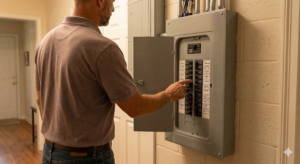
Burning or electrical smells demand immediate attention. Turn off your system right away. This could indicate overheating components, electrical issues, or even a potential fire hazard.
Rotten egg or sulfur smells near your HVAC system could indicate a natural gas leak if you have a gas furnace. Leave your home immediately and call your gas company.
Chemical or sweet smells might point to a refrigerant leak. Refrigerant exposure isn’t something to mess with—it’s harmful to breathe and means your system is losing its ability to cool.
What Summerville Homeowners Should Do
For musty odors, start by checking and replacing your filter, then ensure your condensate drain line isn’t clogged. A clogged drain line is extremely common in humid climates and causes water to back up into your system.
For any burning, gas, or chemical smells, don’t wait. Turn off the system, ventilate your home, and call for professional help immediately.
4. Frequent Cycling (Short-Cycling)
Your AC should run in relatively consistent cycles—turning on, cooling your home to the set temperature, then shutting off until the temperature rises again. If your system is turning on and off every few minutes, that’s called short-cycling, and it’s a problem.
Why Short-Cycling Happens
Oversized equipment cools spaces too quickly, then shuts off before completing a full cycle. Unfortunately, this is a common issue in Summerville homes where the original HVAC installation wasn’t properly sized for the space.
Thermostat problems can cause erratic cycling. If your thermostat is malfunctioning, located in a poor spot (like near a window or in direct sunlight), or losing its calibration, it sends confusing signals to your system.
Low refrigerant causes the system to struggle, overheat, and shut down prematurely as a safety measure.
Dirty or frozen coils trigger the same protective shutdown response.
Electrical issues can cause intermittent operation that looks like short-cycling.
Why Short-Cycling Matters
Beyond the obvious comfort issues, short-cycling:
- Dramatically increases wear on your compressor and other components
- Spikes your energy bills because startup uses the most electricity
- Shortens your system’s lifespan significantly
- Fails to dehumidify your home properly (a big deal in Summerville)
What Summerville Homeowners Should Do
Check your thermostat first. Make sure it’s set correctly and that nothing is affecting its temperature reading. Next, check your filter—a severely clogged filter can cause short-cycling.
If those basics check out, you need a professional diagnosis. Short-cycling has too many potential causes to guess at, and continuing to run a short-cycling system causes cumulative damage.
Related: Homeowners in Sangaree and Wescott often deal with humidity-related cycling issues. Learn about HVAC services in your neighborhood.
5. Unexplained Spike in Energy Bills
Your electricity bill tells a story. If that story suddenly includes a plot twist—like a bill that’s $50 or $100 higher than the same month last year—your AC might be the culprit.
Why a Struggling AC Costs More to Run
Reduced efficiency means your system runs longer to achieve the same results. A unit that’s low on refrigerant, has dirty coils, or is dealing with airflow restrictions has to work harder (and longer) to cool your home.
Short-cycling (as we discussed above) uses more electricity because the startup phase draws the most power.
Aging components lose efficiency over time. A ten-year-old system simply can’t match the efficiency of its younger self, even with perfect maintenance.
Ductwork leaks mean you’re paying to cool your attic or crawl space instead of your living areas. Studies suggest that typical homes lose 20-30% of conditioned air through duct leaks.
How to Spot the Pattern
Compare your bills to the same months in previous years, not just the previous month. Summerville’s energy costs fluctuate seasonally, so a July bill will always be higher than an April bill.
Look for:
- Bills significantly higher than the same month last year
- Steady increases over several months
- Spikes that don’t correlate with weather changes or rate increases
What Summerville Homeowners Should Do
Rule out the obvious first: Did electricity rates increase? Was this month significantly hotter than last year? Did you have houseguests or change your thermostat habits?
If none of those explain the increase, your AC is likely working harder than it should. Schedule a maintenance visit or diagnostic inspection to identify what’s dragging down your efficiency.
A well-maintained system in good repair should cost roughly the same to operate year over year, adjusted for weather variations.
What To Do If You Notice These Warning Signs
Catching these signs early is half the battle. Here’s your action plan:
Immediate Steps You Can Take
- Check and replace your air filter if it’s dirty
- Inspect your outdoor unit for debris, overgrown vegetation, or visible damage
- Verify your thermostat settings and consider replacing batteries if applicable
- Clear your condensate drain line by locating the PVC pipe near your indoor unit and ensuring it’s not clogged
- Document what you’re experiencing—when it happens, what you hear/smell/feel—to help your technician diagnose faster
When to Call a Professional
Some issues are DIY-friendly. Most aren’t. Call for professional service if:
- Strange noises persist after basic checks
- You smell burning, gas, or chemicals
- Your system blows warm air despite a clean filter
- Short-cycling continues
- You can’t identify the cause of efficiency drops
Why Waiting Costs More
Here’s something we tell every Summerville homeowner: HVAC problems don’t fix themselves, and they rarely stay the same size. A $150 repair today can become a $1,500 repair next month if ignored.
The Lowcountry heat doesn’t give your system any breaks. Running a struggling AC through a Summerville summer accelerates wear on every component.
Protect Your System Before Problems Start
The best repair is the one you never need. Regular maintenance catches most of these warning signs before they become symptoms you notice.
At Coastal Carolina Comfort, our Comfort Club members get priority scheduling, discounted repairs, and twice-yearly tune-ups that keep systems running efficiently. It’s like having a good mechanic who actually looks under the hood before something breaks.
Whether you’re dealing with warning signs right now or just want to make sure your system is ready for another Lowcountry summer, we’re here to help. We’ve been keeping Summerville homes comfortable for over a decade, and we treat every house like it’s our own.
Schedule your HVAC inspection today or call us at 843-253-0800. We’ll make sure your AC keeps running smoother than a ceiling fan on a screened-in porch.
Frequently Asked Questions
How often should I replace my AC filter in Summerville?
During peak cooling season (April through October), check your filter monthly and replace it when visibly dirty—typically every 30-60 days. Summerville’s pollen, humidity, and dust mean filters clog faster than manufacturer recommendations suggest. During milder months, every 60-90 days is usually sufficient.
What’s the most common cause of AC breakdowns in the Lowcountry?
Lack of maintenance tops the list. The combination of high humidity, extended run times, and airborne particulates in the Summerville area puts extra stress on HVAC systems. Clogged filters, dirty coils, and clogged condensate drains cause the majority of service calls we see.
How long should an AC unit last in Summerville?
Most air conditioning systems last 15-20 years with proper maintenance. However, the demanding Lowcountry climate—with systems running 8+ months per year—can shorten that lifespan. Systems over 10 years old should be monitored closely for efficiency drops and increasing repair frequency.
Is it worth repairing an old AC or should I replace it?
Generally, if a repair costs more than 50% of a new system’s price, replacement makes more financial sense. Also consider: Is your system over 15 years old? Does it use R-22 refrigerant (now phased out)? Have repair costs been increasing? If you answered yes to multiple questions, replacement may be the smarter investment.
Why does my AC struggle more on humid days?
Your air conditioner does double duty: cooling air and removing humidity. On extremely humid Summerville days, the system works harder to dehumidify, which can make it seem like it’s struggling to keep up. If this is a consistent problem, your system may be undersized, or you might benefit from supplemental dehumidification.